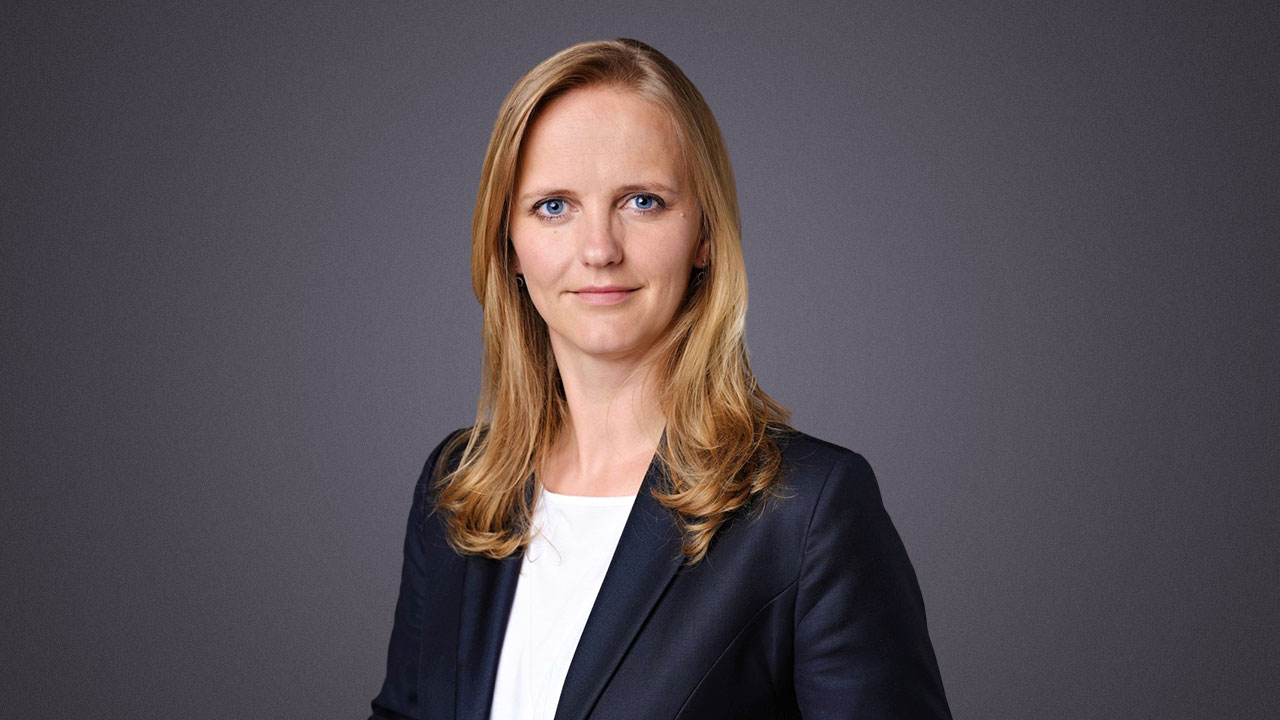
Anu Nef, Foto: Adapter
Source: Äripäev
The discussion about a boom in Estonia’s smart industry is likely premature. Rather, we should contribute much more actively to its emergence, from both the business and research sides, writes Anu Nef, Head of Partnerships of the collaboration network Adapter.
Having lived and worked in Switzerland for many years, I have seen how targeted support for innovation and the systematic transfer of knowledge-intensive solutions into business drive national prosperity and improve living standards. Data published in recent weeks has been encouraging. Over the past decade, Estonia’s total expenditure on research and development has nearly tripled and now amounts to approximately 2% of GDP, placing us around the European Union average.
At the same time, in global comparison we still lag behind countries where investment in research and development has long been at the core of national competitiveness – South Korea, Israel, Japan, the United States, and Switzerland, which consistently ranks among the world’s top ten. In Switzerland, approximately 70–75% of total R&D funding comes from the private sector.
Not reaching each other
In Estonia, the contribution of the business sector to R&D has increased significantly over the past decade. According to Statistics Estonia, in 2024 businesses financed around 60% of all R&D expenditure, confirming that companies are increasingly investing in knowledge-intensive development.
Those companies that invest in research and development today understand its long-term business value: they gain stronger competitive advantages, are able to attract more highly qualified employees, and can offer competitive salaries.
My experience from recent months as Head of Partnerships at Adapter shows that Estonia has a large number of companies with a genuine desire to develop and innovate. At the same time, our research institutions and competence centres are well equipped to provide deep expertise and diverse solutions. The bottleneck often lies in a simple reality: the parties do not reach each other, or companies are unable to articulate their challenges in a way that enables research partners to propose solutions.
Adapter is a collaboration network that brings together 26 research institutions and competence centres.
The percentage that makes the difference
The knowledge-intensive companies that have emerged in recent years are no coincidence. Their growth has taken 5–10 years. They have consistently sought scientific input, expertise, and support and the results are now becoming visible. So far, the state has been the primary driver of innovation. For the next stage of development, however, the business sector itself must take on a stronger role.
If we ask how many innovative companies Estonia actually needs, the answer is surprisingly simple. Estonia has approximately 150,000 companies. If even 1% of them, around 1,500 companies, were to establish a continuous research and development collaboration line, this would already create a critical mass. Not a short-lived boom, but stable and sustainable innovation growth. That would be sufficient to steer the Estonian economy towards smart industry and knowledge-based entrepreneurship – the full potential of which we are only beginning to understand.
The discussion about a smart industry boom in Estonia is therefore likely premature. Instead, we should actively contribute to its emergence, both from the business and the research side. What matters is not that all companies engage in research and development. The goal is to create a culture of collaboration, where companies dare to ask and researchers dare to offer. This is where the economic growth of the next decade begins.